![African Superfoods - Top 4 and Benefits [2025]](https://distributionarmel.com/wp-content/uploads/2025/11/Super-aliments-africains.webp)
Key Takeaways: Baobab, moringa, and fonio are revolutionizing our plates through their exceptional nutritional density and ecological resilience. These superfoods offer a natural solution to enrich our diet with vitamins and antioxidants. Notably, moringa contains twenty-five times more iron than spinach, confirming the unique health potential of these African treasures.
Could African superfoods be the natural key you’ve been seeking to banish fatigue and revitalize your body? These powerful ingredients, from moringa to hibiscus, provide a concrete nutritional answer to address deficiencies without processed products. Learn to master these plant-based treasures to sustainably boost your health while diversifying your meals deliciously.
Sommaire
Baobab and Moringa: Concentrated Nutrition
Baobab, the treasure of arid savannas
This giant is often nicknamed “the tree of life” for a very specific reason. Rooted in arid areas of Africa, such as Senegal, it defies drought where others perish. Yet it’s the fruit, called “monkey bread” or “bouye,” that ends up on our plates.
Forget your morning oranges. Baobab pulp contains six times more vitamin C, not to mention its massive richness in fiber, calcium, and potassium. In terms of antioxidants, it’s thirty-five times more powerful than grapes.
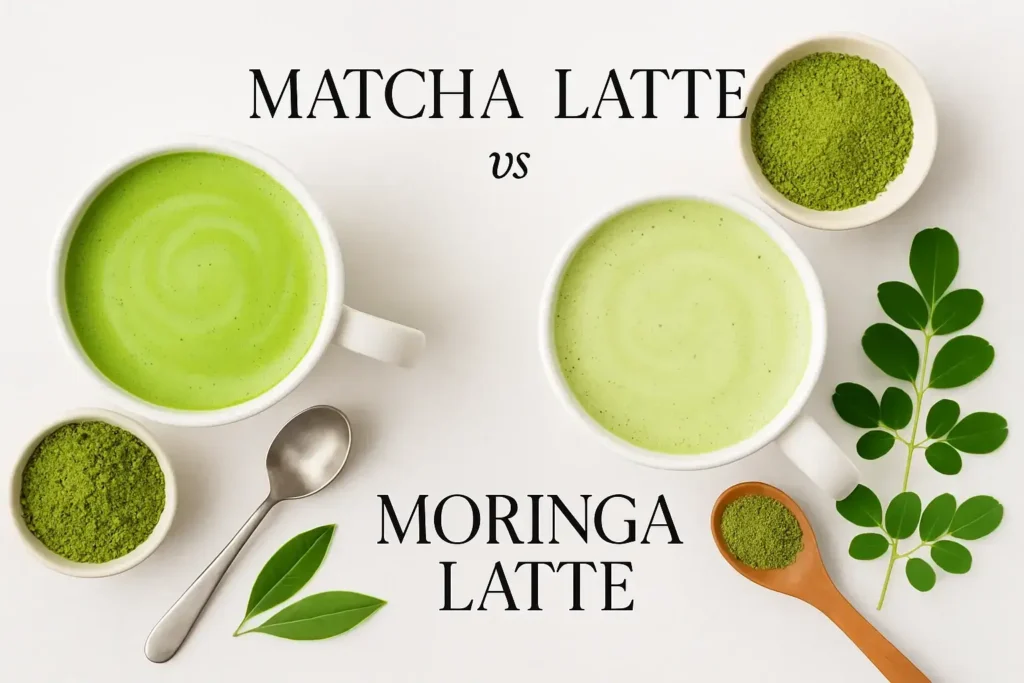
Moringa, the miracle tree with multiple virtues
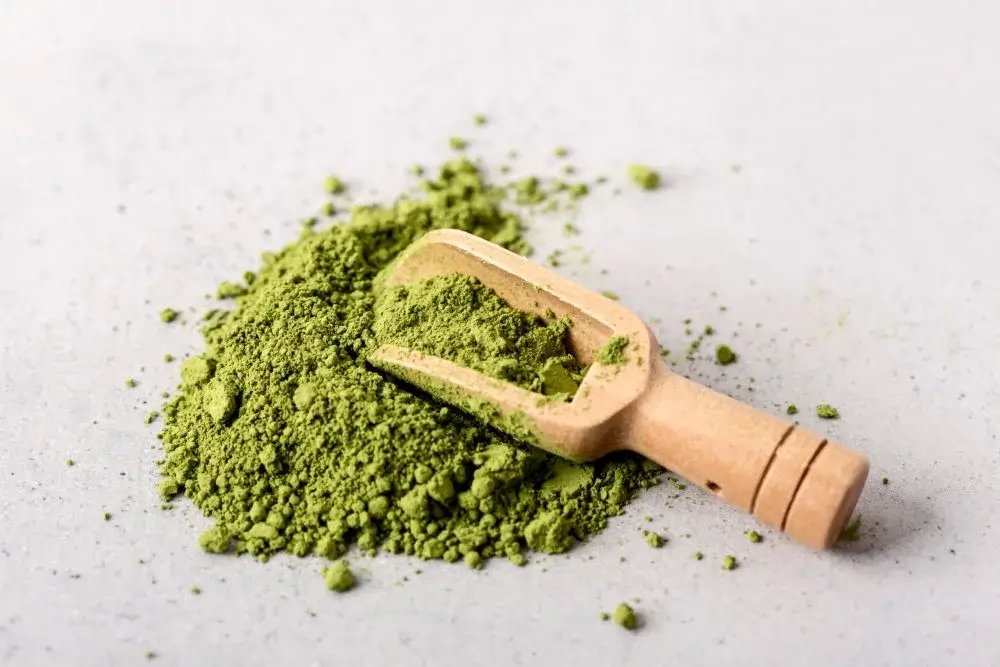
Moringa bears the title of “miracle tree,” and it’s not just marketing hype. We primarily consume its leaves, true pillars of traditional medicine for centuries. They tackle numerous ailments.
Get this: these leaves offer as much protein as a steak and twenty-five times more iron than spinach. With four times the vitamin A of a carrot, this treasure from Afro-Caribbean grocery stores helps regulate diabetes and hypertension.
Fonio and Hibiscus: Healthy and Delicious Alternatives
After the nutritional “heavyweights” baobab and moringa, let’s examine two other treasures worth knowing: an ancient grain and a flower with a thousand flavors.
Fonio, the ancient gluten-free grain
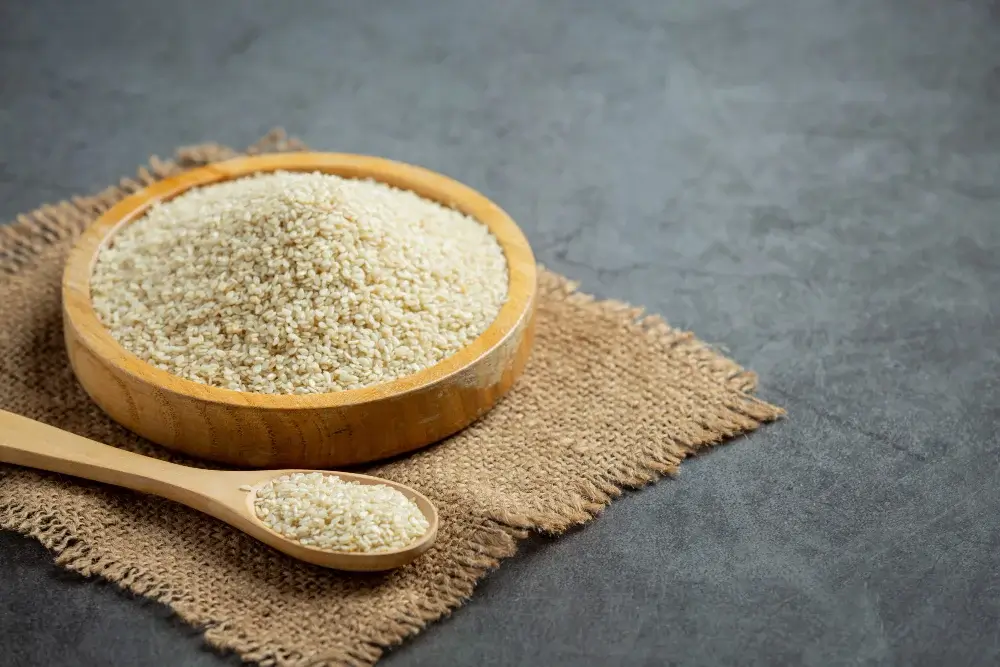
Fonio isn’t new it’s a culinary relic from West Africa cultivated for millennia. Naturally gluten-free, this robust seed brilliantly adapts to capricious climates, making it indispensable today.
Its major advantage? A low glycemic index that outperforms conventional white flours. It’s a
Hibiscus, much more than just a flower
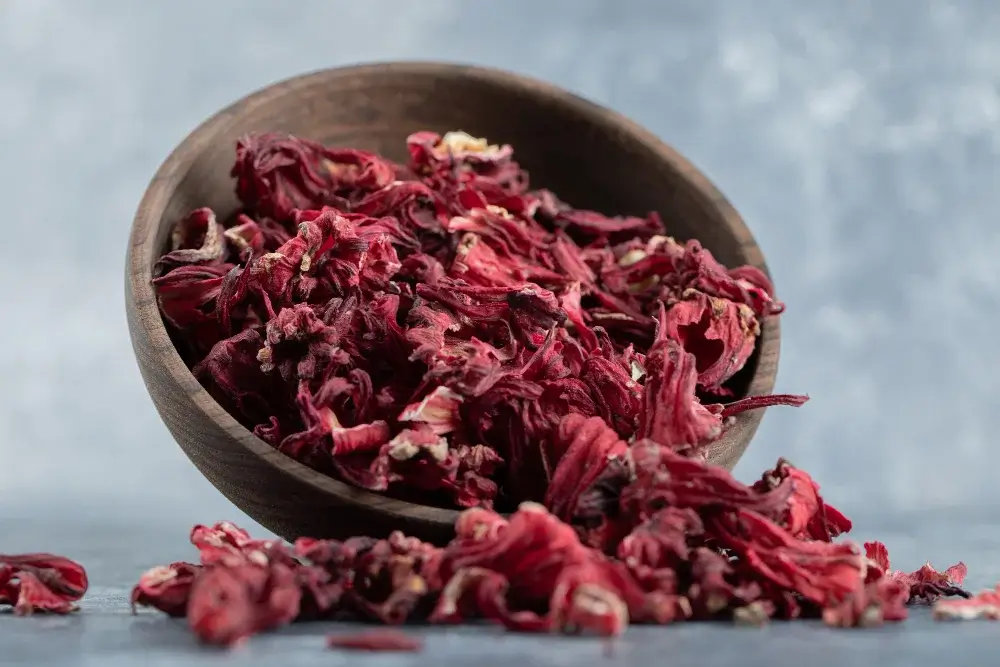
Let’s talk about Hibiscus sabdariffa, a plant whose power is often underestimated. Its dried calyces form the base of the famous bissap, that bright red infusion with a tangy taste.
It’s an antioxidant bomb, packed with anthocyanins and vitamin C. If our mission is to offer healthy products, know that this flower supports digestion and helps regulate blood pressure—no magic, just nature.
How to Incorporate These African Superfoods Daily
Knowing their benefits is good. Knowing how to use them is better. Let’s see how to bring these treasures into your kitchen without complexity.
Simple steps for enriched nutrition
Integrating these African superfoods is simple, as they often come in powder or grain form.
Incorporate baobab or moringa powder into your smoothies, yogurts, or vinaigrettes. Fonio replaces rice and semolina. Hibiscus enhances hot or cold infusions beautifully.
Comparison table of superfoods
This table summarizes the major advantages and uses of each superfood to help you choose.
Baobab is king of vitamin C, moringa champion of protein. Fonio ensures light gluten-free digestion, and hibiscus offers powerful antioxidants.
| Superfood | Main nutritional advantage | Simple use idea |
|---|---|---|
| Baobab | Vitamine C & Fiber | In a smoothie or yogurt |
| Moringa | Protein & Iron | Sprinkled on salad or in soup |
| Fonio | Gluten-free & Low GI | As a side dish like couscous |
| Hibiscus | Antioxidants | As iced infusion (bissap) |
These African superfoods aren’t just a trend, but genuine health allies. Rich in essential nutrients, baobab, moringa, fonio, and hibiscus revitalize your plate. Adopting these natural treasures means choosing healthy, sustainable, and deliciously varied daily nutrition.
FAQ
What are the main African superfoods to know?
The African superfoods currently revolutionizing our diet are primarily baobab, moringa, fonio, and hibiscus. These ingredients stand out for their exceptional nutritional density, offering high concentrations of vitamins and minerals.
They’re increasingly valued for their health benefits, particularly for strengthening the immune system, improving digestion, and providing a natural energy boost without chemical additives.
Which African fruit is considered the healthiest?
Baobab fruit, also called “monkey bread,” is often cited as Africa’s healthiest fruit thanks to its unique composition. It contains six times more vitamin C than an orange and twice as much calcium as milk.
Moreover, its pulp is extremely rich in soluble fiber and has an antioxidant level 35 times higher than grapes, making it a powerful ally against cellular aging.
Is moringa the most nutritious food in the world?
Often called the “miracle tree,” moringa has one of the most complete nutritional profiles in the plant kingdom. By weight, its leaves contain as much protein as a beef steak and 25 times more iron than spinach.
It also provides four times more vitamin A than carrots and as much magnesium as dark chocolate, making it an ideal supplement for fighting deficiencies and fatigue.
Which African grain advantageously replaces rice or wheat?
Fonio is the ideal alternative to conventional grains, as it’s naturally gluten-free and has a lower glycemic index than white rice. This ancient grain is highly digestible and rich in essential amino acids.
Its texture similar to semolina or quinoa makes it easy to use in couscous, salads, or even desserts, while being suitable for diabetics or those with gluten intolerance.
Why is hibiscus much more than just a beverage?
While hibiscus is famous for preparing bissap, it’s primarily a flower with recognized medicinal properties. It’s packed with antioxidants (anthocyanins) and is particularly effective in helping regulate mild high blood pressure.
Consumed as hot or cold infusion, hibiscus also promotes digestion and has diuretic properties that aid in toxin elimination.